
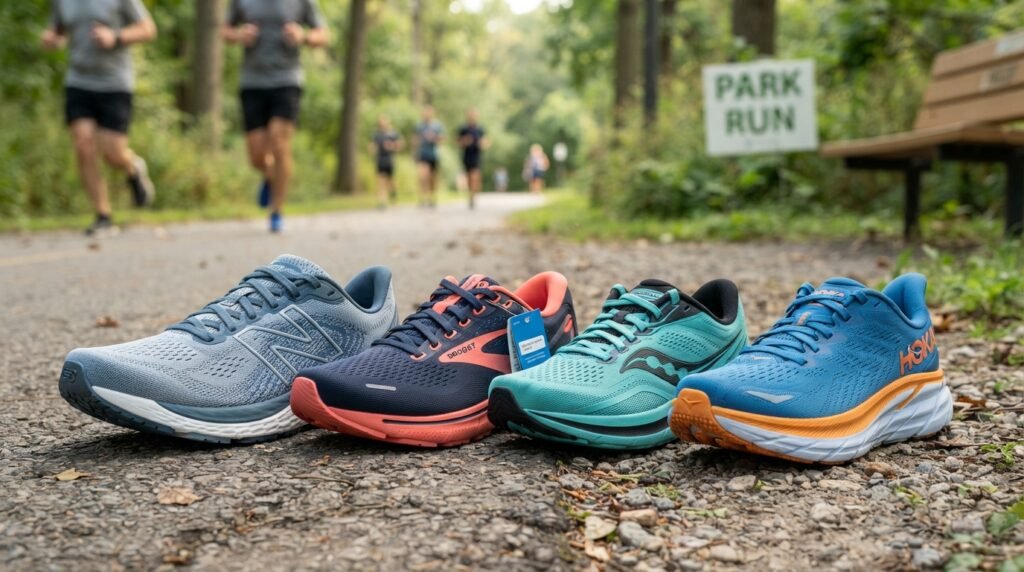

Starting your running journey is exciting, but choosing the best running shoes for beginners can feel overwhelming. With hundreds of brands, technologies, and styles available, it’s easy to get confused about which pair is right for you. The truth is that your first running shoes can make a huge difference in your comfort, performance, and injury prevention.
Whether your goal is to lose weight, improve fitness, train for your first 5K, or simply enjoy outdoor exercise, investing in the right footwear is essential. The best running shoes for beginners provide proper cushioning, support, durability, and comfort without making your runs feel difficult. This guide covers everything you need to know before buying your first pair, along with expert recommendations, helpful tables, and answers to the most common questions.
Why Beginners Need Proper Running Shoes
Many people think any athletic shoe can be used for running. While casual sneakers may feel comfortable for walking, they are not designed to absorb the repeated impact created during running. Every step places significant stress on your feet, ankles, knees, and hips.
The best running shoes for beginners are designed specifically to reduce impact, improve stability, and keep your feet comfortable over longer distances. They help distribute pressure evenly, reducing the risk of common injuries such as shin splints, plantar fasciitis, and knee pain. A good pair also encourages better running form, making your workouts more enjoyable from day one.
Expert Quote: “The right running shoes won’t make you faster overnight, but they can make every mile safer, more comfortable, and more enjoyable.”
Features to Look for in the Best Running Shoes for Beginners
Choosing your first running shoe becomes much easier when you know what features actually matter. You don’t need the most expensive model; you need one that matches your running style.
Comfort should always be your top priority. A shoe that feels great during the first try is more likely to stay comfortable during long runs. Cushioning is equally important because it absorbs impact and reduces stress on your joints. Beginners usually benefit from moderate to high cushioning while building endurance.
Support is another important factor. Neutral runners can wear standard running shoes, while runners with flat feet or overpronation may benefit from stability shoes. Breathable mesh uppers help keep your feet cool, while lightweight materials reduce fatigue during longer workouts.
Quick Buying Checklist
| Feature | Why It Matters | Recommended for Beginners |
|---|---|---|
| Cushioning | Reduces impact | High |
| Comfort | Prevents blisters | Essential |
| Breathability | Keeps feet cool | Highly Recommended |
| Durability | Lasts longer | Important |
| Grip | Better traction | Essential |
| Lightweight Design | Easier movement | Recommended |
Best Running Shoes for Beginners in 2026
The market offers excellent options for every budget. While personal preference matters, several shoes consistently receive high ratings for comfort and reliability.
| Shoe Model | Best For | Cushioning | Weight |
|---|---|---|---|
| Nike Pegasus | Everyday running | High | Lightweight |
| ASICS Gel Nimbus | Maximum comfort | Very High | Medium |
| Brooks Ghost | Neutral runners | High | Medium |
| HOKA Clifton | Soft landings | Very High | Lightweight |
| New Balance Fresh Foam 880 | Daily training | High | Medium |
| Saucony Ride | Balanced performance | Medium-High | Lightweight |
These models are excellent examples of the best running shoes for beginners because they combine comfort, durability, and reliable support. Most are suitable for daily jogging, walking, and beginner race training.
How to Choose the Right Running Shoe for Your Foot Type
Everyone’s feet are different, so choosing shoes based only on brand popularity isn’t enough. Understanding your foot shape helps you make a smarter purchase.
People with normal arches usually perform well in neutral running shoes. Those with flat feet often benefit from stability shoes that provide additional support. Runners with high arches generally need extra cushioning to absorb shock more effectively.
You should also leave about a thumb’s width of space between your longest toe and the front of the shoe. Running causes feet to swell slightly, and this extra room helps prevent discomfort during longer runs.
Common Mistakes Beginners Should Avoid
Many first-time runners buy shoes based solely on appearance or discounts. While attractive designs are appealing, comfort and fit should always come first.
Another common mistake is buying shoes that are too small. Running shoes should fit slightly larger than everyday sneakers because your feet naturally expand during exercise. Wearing worn-out shoes for too long is another issue. Most running shoes perform best for approximately 300 to 500 miles before they lose their cushioning.
Avoid copying someone else’s favorite shoe without considering your own foot shape and running style. The best running shoes for beginners are the ones that feel comfortable on your own feet—not necessarily the most expensive or popular option.
Tips for Making Your Running Shoes Last Longer
Proper care helps your shoes maintain their performance for many months. After each run, allow them to air dry naturally instead of placing them near direct heat. Heat can damage the foam cushioning inside the midsole.
Rotate your shoes if you run frequently. Giving each pair time to recover between runs helps preserve cushioning and extends overall lifespan. Clean dirt with a soft brush and mild soap instead of using harsh chemicals or washing machines.
Store your shoes in a cool, dry place away from moisture. Good maintenance not only saves money but also ensures consistent comfort every time you run.
Benefits of Wearing the Best Running Shoes for Beginners
The right footwear does much more than improve comfort. It also helps you stay motivated because enjoyable runs encourage consistency.
Good running shoes reduce muscle fatigue by providing efficient energy return with every step. They improve traction on roads and light trails while minimizing pressure on sensitive joints. Many beginners notice fewer aches and pains after switching from ordinary sneakers to dedicated running shoes.
Comfort also builds confidence. When your feet feel supported, you’re more likely to increase your distance gradually and maintain a regular fitness routine.
Motivational Quote: “Every great runner started with a single step—and the right pair of running shoes.”
Related Keywords You Should Know
Including related search terms helps readers understand the topic more completely while improving SEO relevance.
Some useful related keywords include:
- beginner running shoes
- comfortable running shoes
- lightweight running shoes
- cushioned running shoes
- running shoes for daily training
- shoes for new runners
- affordable running shoes
- best jogging shoes
- supportive running shoes
- athletic shoes for beginners
These terms naturally complement the main keyword and provide additional context for readers searching online.
Are Expensive Running Shoes Worth It?
Many beginners assume that higher prices automatically mean better performance. In reality, the most expensive shoe isn’t always the best choice.
Mid-range running shoes often provide nearly the same comfort, cushioning, and durability as premium models. Unless you are training for competitive races or have specialized foot needs, many affordable options deliver excellent value.
Focus on fit, comfort, and support instead of marketing claims. Trying shoes on in the evening, when your feet are slightly swollen, gives a more accurate idea of how they’ll feel during actual runs.
How Often Should You Replace Running Shoes?
Even the best running shoes for beginners eventually wear out. The foam cushioning gradually compresses, reducing shock absorption and support.
Most experts recommend replacing running shoes every 300–500 miles, although heavier runners or rough terrain may shorten that lifespan. Visible sole wear, persistent foot discomfort, or reduced cushioning are all signs that it’s time for a new pair.
Keeping track of your running mileage through a fitness app can help you know when replacement is approaching.
Frequently Asked Questions
What are the best running shoes for beginners?
The best running shoes for beginners are those that provide excellent cushioning, comfort, and support while matching your foot type. Popular choices include Nike Pegasus, Brooks Ghost, ASICS Gel Nimbus, HOKA Clifton, Saucony Ride, and New Balance Fresh Foam models.
Should beginners choose cushioned running shoes?
Yes. Beginners usually benefit from extra cushioning because it absorbs impact and reduces stress on joints. This makes early training sessions more comfortable while lowering the risk of common running injuries.
How much should I spend on beginner running shoes?
A quality beginner running shoe typically costs between $80 and $150. Within this range, you’ll find many reliable options that offer excellent comfort, durability, and performance without paying for unnecessary premium features.
Can I use gym shoes instead of running shoes?
Gym shoes are designed for multi-directional movement, while running shoes are built for forward motion and repeated impact. Using dedicated running shoes provides better cushioning and support for regular running workouts.
How do I know if my running shoes fit correctly?
Your toes should have about one thumb’s width of space at the front of the shoe. The heel should remain secure without slipping, and the shoe should feel comfortable immediately without needing a long break-in period.
How long do beginner running shoes usually last?
Most quality running shoes last between 300 and 500 miles. Their lifespan depends on your running frequency, body weight, running surface, and maintenance habits.
Conclusion
Choosing the best running shoes for beginners is one of the smartest investments you can make in your fitness journey. The right pair improves comfort, reduces injury risk, and helps you stay motivated as you build healthy running habits. Instead of focusing solely on price or brand, prioritize proper fit, cushioning, support, and durability.
Remember that every runner is unique. Take the time to understand your foot type, try on different models, and select shoes that feel comfortable from the very first step. With the right footwear, you’ll enjoy every mile more and build the confidence needed to reach your fitness goals. Whether you’re training for your first race or simply running for better health, the perfect beginner running shoes can set you on the path to long-term success.